Earnest Money Disputes in South Carolina: Who Gets to Keep the Deposit?
Earnest Money Disputes in South Carolina: Who Gets to Keep the Deposit?
Buying or selling a home in South Carolina involves several important steps, and one of the most significant is the earnest money deposit. This deposit demonstrates that a buyer is serious about purchasing the property and is willing to proceed in good faith.
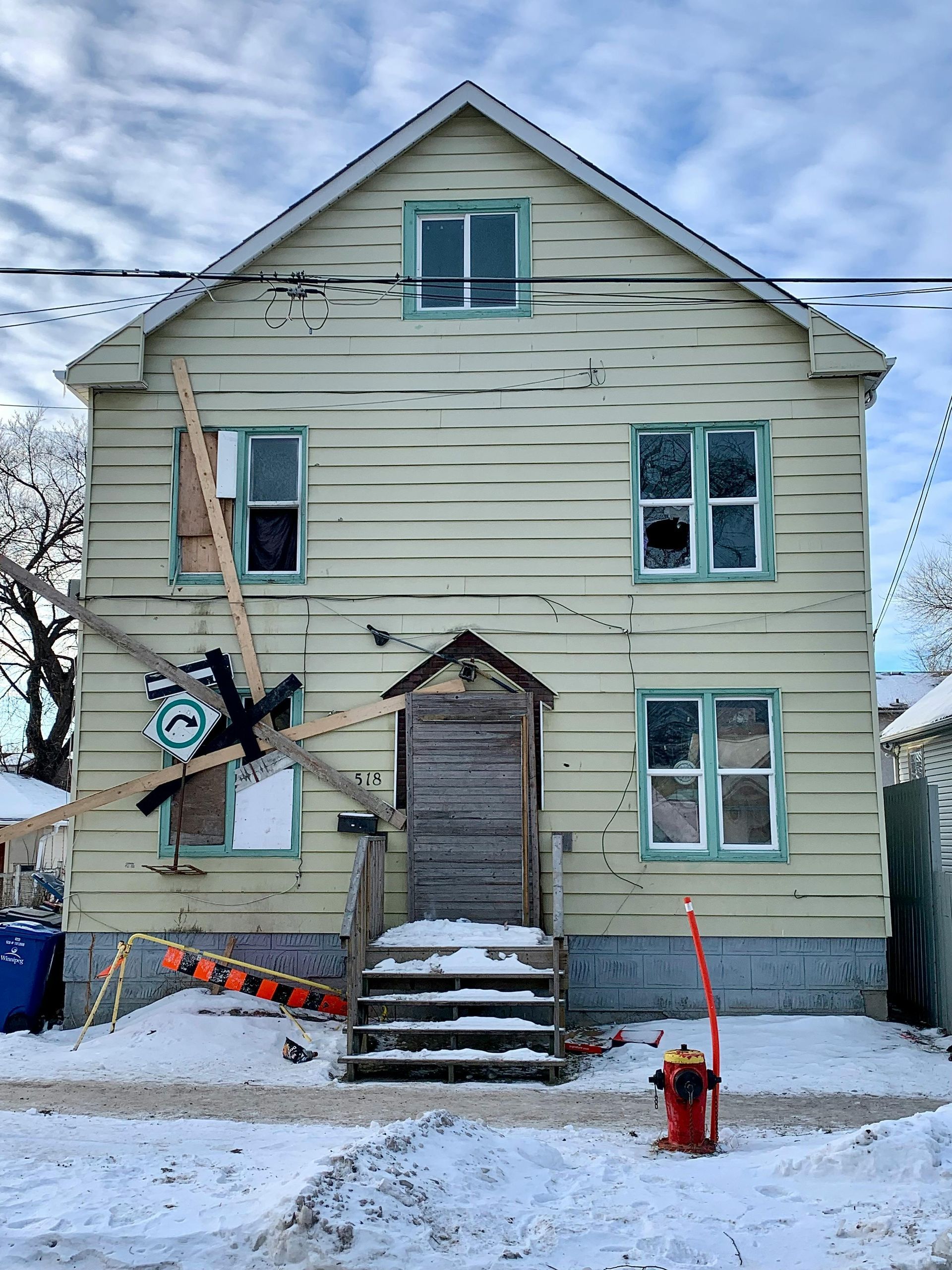
However, if the transaction falls through, disputes often arise over who has the legal right to keep the deposit.
Understanding how earnest money disputes are handled under South Carolina law can help buyers and sellers protect their interests. At E Scott Sanders LLC, we provide legal assistance to the Greenville public when real estate transactions become complicated or contentious.
What Is Earnest Money?
Earnest money is a deposit that a buyer submits after a purchase agreement is signed. The funds are typically held in an escrow or trust account by a neutral third party, such as a real estate brokerage or closing attorney, until the transaction is completed.
The amount of the deposit varies depending on the property and local market conditions, but it generally serves two primary purposes:
- Demonstrates the buyer's commitment to the purchase.
- Provides financial protection for the seller if the buyer fails to fulfill the terms of the contract.
The deposit is usually applied toward the buyer's down payment or closing costs if the sale is completed successfully.
When Does the Buyer Receive the Deposit Back?
In many situations, buyers are entitled to receive their earnest money back if they legally terminate the contract under one of its contingencies. Common contingencies include:
Financing Contingency
If the buyer makes a good-faith effort to obtain financing but the loan is denied within the contingency period, they may be entitled to a refund of the earnest money.
Inspection Contingency
Many contracts allow buyers to inspect the property. If serious defects are discovered and the parties cannot reach an agreement regarding repairs, the buyer may have the right to cancel the contract and recover the deposit.
Appraisal Contingency
If the property appraises for less than the agreed purchase price and the contract contains an appraisal contingency, the buyer may be able to terminate the agreement without forfeiting the earnest money.
Title Issues
If the seller cannot provide clear title or resolve title defects within the time allowed by the contract, the buyer may be entitled to cancel the purchase and receive the deposit back.
When Can the Seller Keep the Earnest Money?
There are circumstances where the seller may have a legal claim to the earnest money deposit.
The Buyer Breaches the Contract
If the buyer fails to fulfill contractual obligations without a valid legal excuse, the seller may argue that they are entitled to retain the earnest money as compensation.
Examples include:
- Failing to close by the agreed-upon date without justification.
- Backing out of the purchase for reasons not covered by the contract.
- Failing to meet contractual deadlines.
The Buyer Waives Contract Protections
If the buyer voluntarily waives contingencies and later decides not to proceed with the purchase, the seller may have stronger grounds to claim the earnest money.
Why Earnest Money Disputes Happen
Disagreements often occur because buyers and sellers interpret the contract differently. Common causes include:
- Missed contractual deadlines.
- Disagreements about inspection findings.
- Financing disputes.
- Questions about whether one party acted in good faith.
- Conflicting interpretations of contract language.
Even a relatively small misunderstanding can delay the release of escrow funds and lead to costly legal disputes.
How Are Earnest Money Disputes Resolved in South Carolina?
When a dispute arises, the escrow agent generally cannot release the funds until the parties agree or a legal determination is made.
Disputes may be resolved through:
Negotiation
Many disagreements can be settled through discussions between the parties and their attorneys, avoiding lengthy litigation.
Mediation
Some real estate contracts encourage or require mediation before filing a lawsuit. A neutral mediator helps both parties attempt to reach a mutually acceptable resolution.
Litigation
If negotiations fail, either party may file a lawsuit asking the court to determine who is legally entitled to the earnest money deposit. The court will examine the purchase agreement, communications between the parties, and the circumstances surrounding the failed transaction.
Why the Purchase Agreement Matters
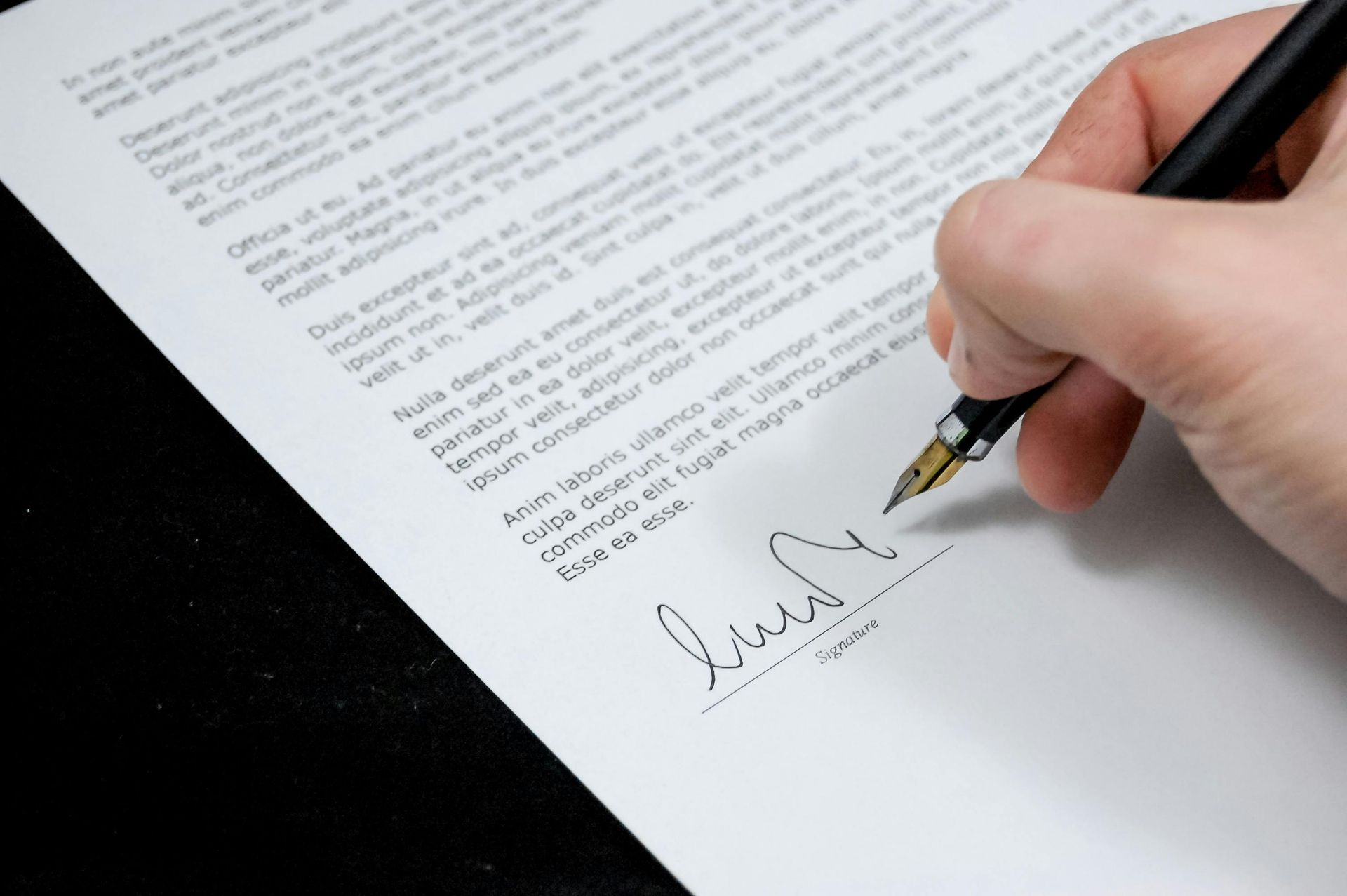
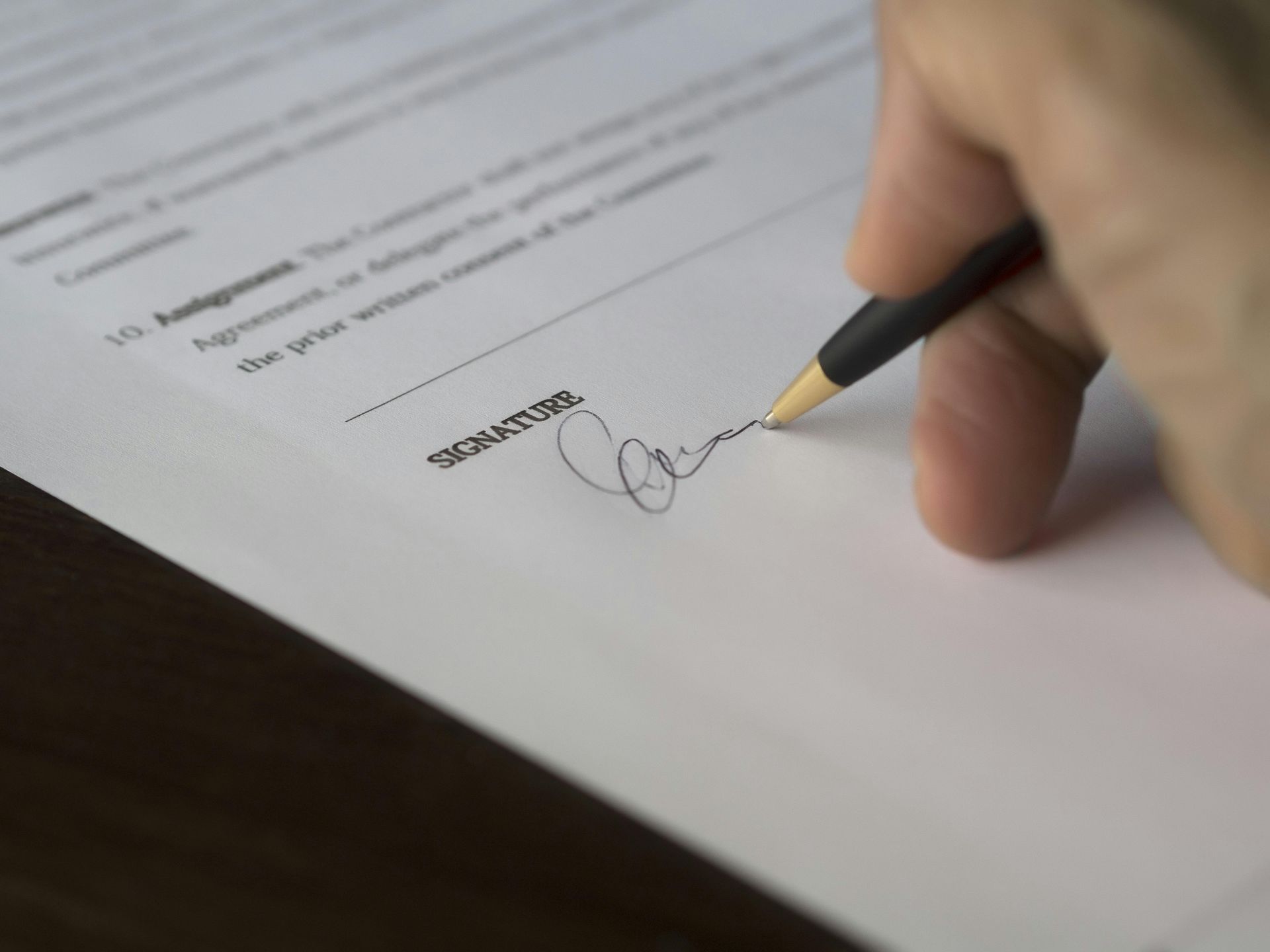
The purchase agreement is often the most important piece of evidence in an earnest money dispute. Every contract contains unique terms governing:
- Deadlines.
- Contingencies.
- Notice requirements.
- Default provisions.
- Remedies available to buyers and sellers.
Because every transaction is different, the outcome depends heavily on the specific language of the agreement and the actions taken by both parties.
How an Attorney Can Help
Earnest money disputes can involve significant financial interests and complex contractual issues. An attorney can:
- Review the purchase agreement.
- Explain your legal rights and obligations.
- Communicate with the opposing party.
- Negotiate a settlement.
- Represent you in mediation or court if necessary.
Prompt legal guidance may help resolve the dispute more efficiently while protecting your financial interests.
Contact E Scott Sanders LLC
If you are involved in an earnest money dispute in South Carolina, understanding your legal options is essential. Whether you are a buyer seeking the return of your deposit or a seller defending your contractual rights, experienced legal guidance can make a significant difference.
E Scott Sanders LLC provides legal assistance to the Greenville public in a variety of real estate matters, including earnest money disputes. Contact our office today to discuss your situation and learn how we may assist you.